Translating In-House IP into Scalable Visual Stories
While working as a Flash animator at Zeus Learning, I was tasked with creating the definitive product explainer videos for two of the agency's proprietary software platforms: Annotate and Stratasim. Because these applications were built entirely in-house, the videos served as vital sales and onboarding tools to introduce the products to international schools, universities, and corporate training entities.
Each platform targeted a completely different user problem, requiring an individualized approach to both visual design and feature simulation:
- Annotate: A cloud-based mobile web app that allows educators to use a single tablet to control presentations, push live quizzes, and drive instant student engagement across room devices.
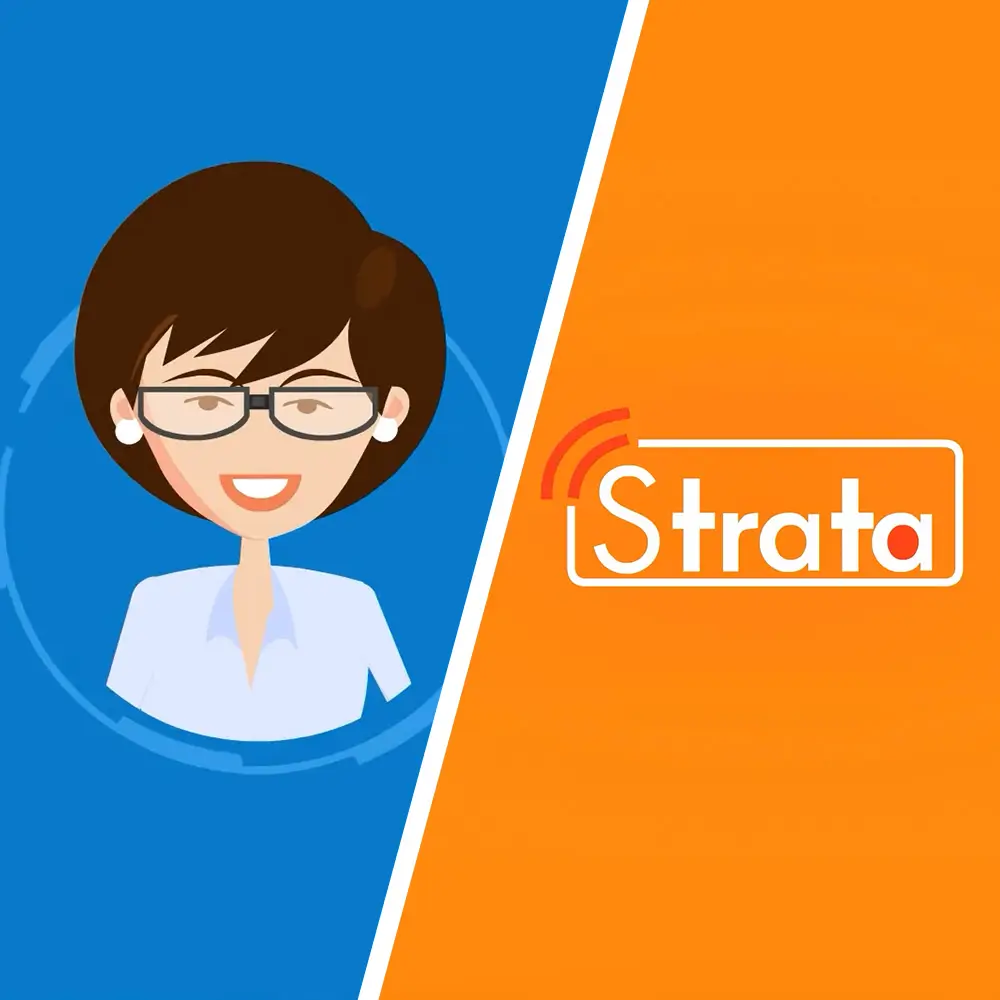
- Stratasim: An interactive, browser-based LMS simulation platform powered by KEPLER technology that runs, tracks, and evaluates live Microsoft Excel and Word exercises in an HTML5 window with zero software installation.
The Creative Pipeline
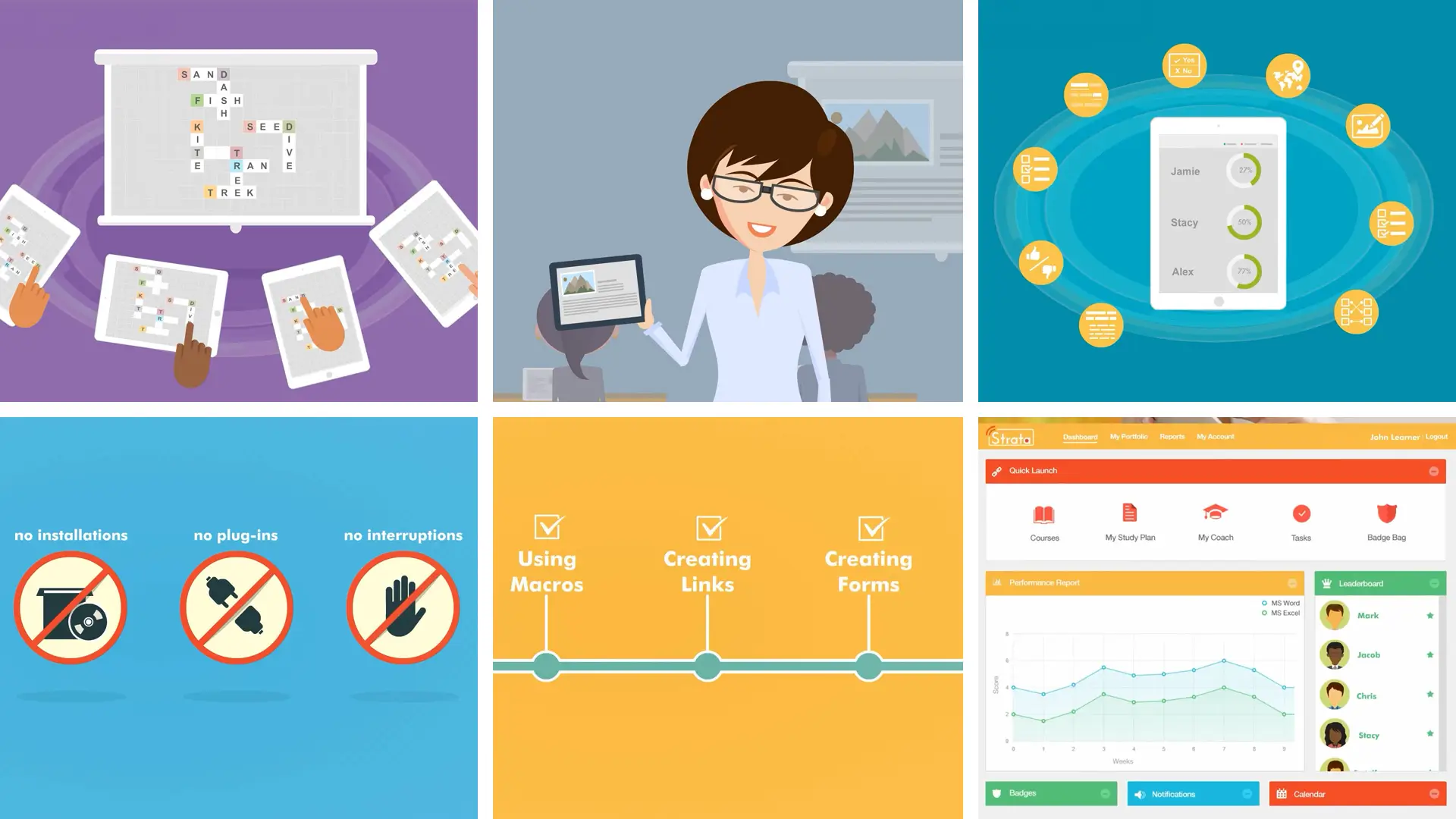
Since I was solely responsible for the entire visual pipeline—moving from a raw concept script through asset design to final production—I had to build a flexible animation architecture inside Adobe Flash. Conceptualization & Storyboarding I collaborated directly with product managers to distill the features of each app into concrete story hooks. I built storyboards that focused heavily on user environments, ensuring that the software's functional benefits (like cloud data syncing or automated grading) were framed around relatable classroom and professional training scenarios.
Tailored Visual Styles & Asset Curation
Because the software behaviors differed significantly, I used two distinct visual design rules to explain them:
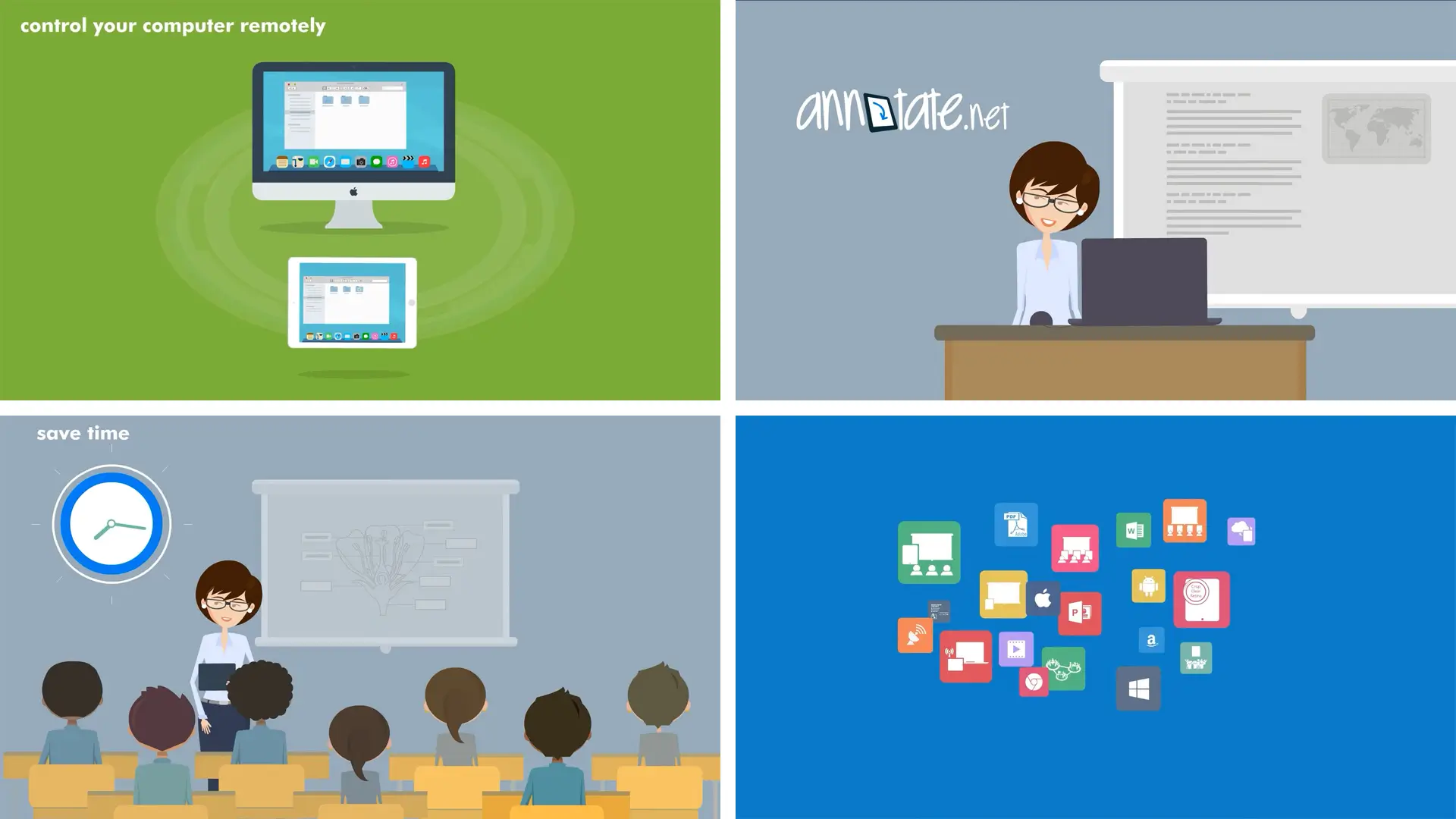
To capture the energetic, highly mobile, and collaborative nature of a modern classroom, I chose a visual approach heavily inspired by the minimalist flat vector style popularized by Kurzgesagt. I illustrated vibrant, cosmic-toned geometric backdrops, simple character shapes with thick profiles, and clean, high-contrast mockups of tablets and digital whiteboards. This approach transformed abstract network syncing into visually appealing, friendly data streams.
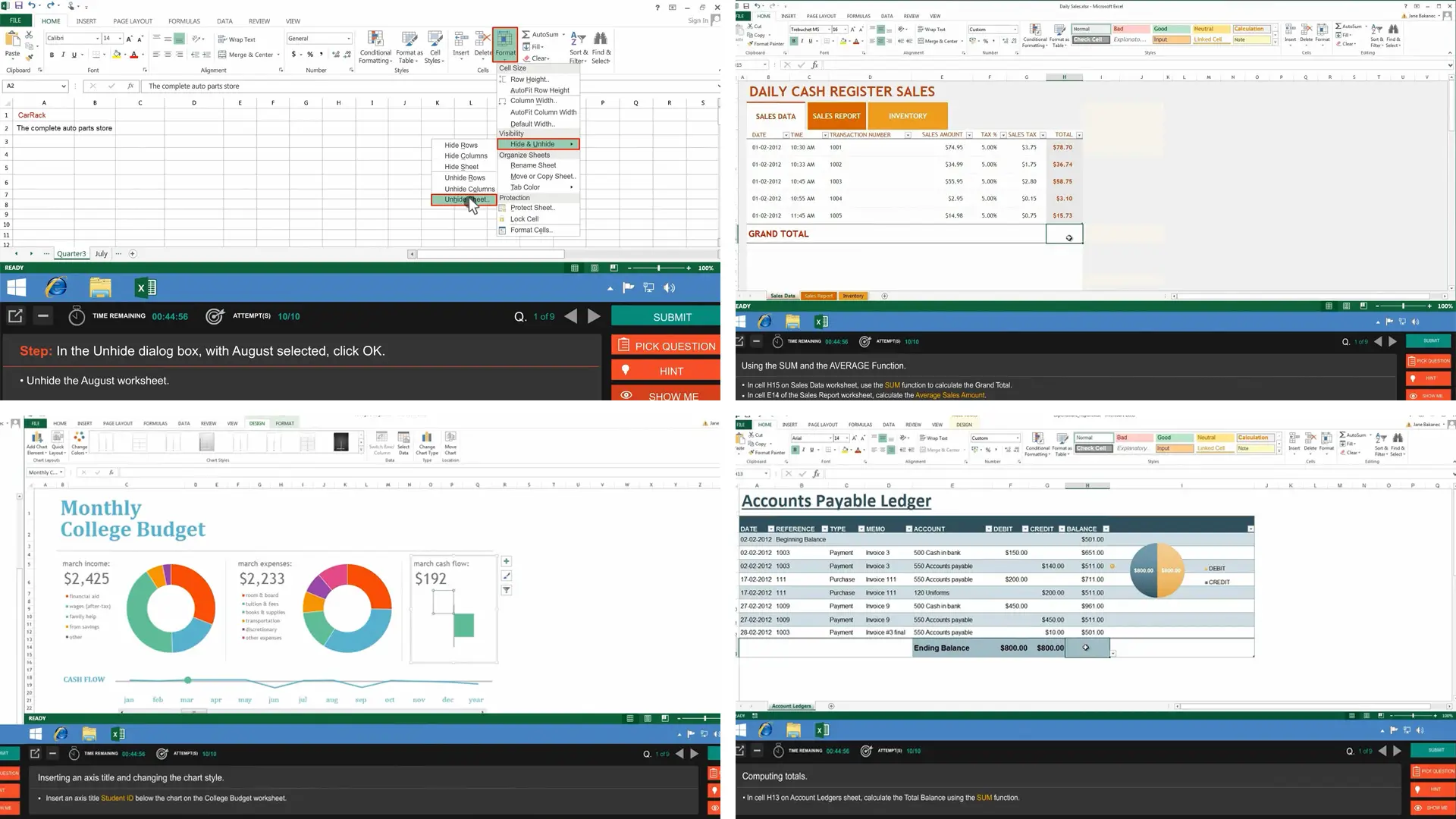
Because Stratasim relies on pixel-perfect accuracy to teach cell formulas, data sorting, and text layouts, abstract drawings wouldn't cut it. Instead, I used crisp, high-res software screenshots of the platform menus as my primary layer. I then drew custom, vector-based interactive components—including smooth mouse tracking vectors and sliding menu highlights—directly over the static caps to simulate actual application processes realistically.
Technical Setup: Building for Future Voiceover Overlays
A key technical hurdle for this project was future-proofing the timeline. The videos were initially cleared to release without a vocal track, relying on background audio and kinetic text overlays. However, the development team planned to introduce voiceovers later down the line.
To prevent a massive rework when those audio tracks arrived, I built the entire Flash project using a modular, keyframed structure. Rather than nesting complex animations within long, un-scrubbable movie clips, I designed independent graphic symbols and left wide frame buffers on the root timeline. This smart design setup ensured that if an animator needed to extend a scene's timing to match a future language voice track, they could simply drag out the frame handles without breaking any underlying motion paths.
Core Takeaways
Adapting the Style to the Software: The project proved that there isn't a one-size-fits-all rule for software explainer videos. While abstract, flat-vector character design was perfect for explaining Annotate's classroom connectivity, precise interface simulations with vector overrides were necessary to capture Stratasim's detailed testing metrics.
Architectural Foresight: Designing animation timelines with future structural changes in mind is vital for scalability. By building time-flexible keyframes from day one, I saved countless future production hours for the studio when updating assets or matching new localization tracks.