Translating High School STEM into Motion
During my time at Zeus Learning, I worked as a Flash animator on a massive, multi-month digital content project for Discovery Education. The goal was to create a comprehensive video library explaining complex high school glossary terms across Physics, Chemistry, and Biology through simple, relatable real-world analogies.
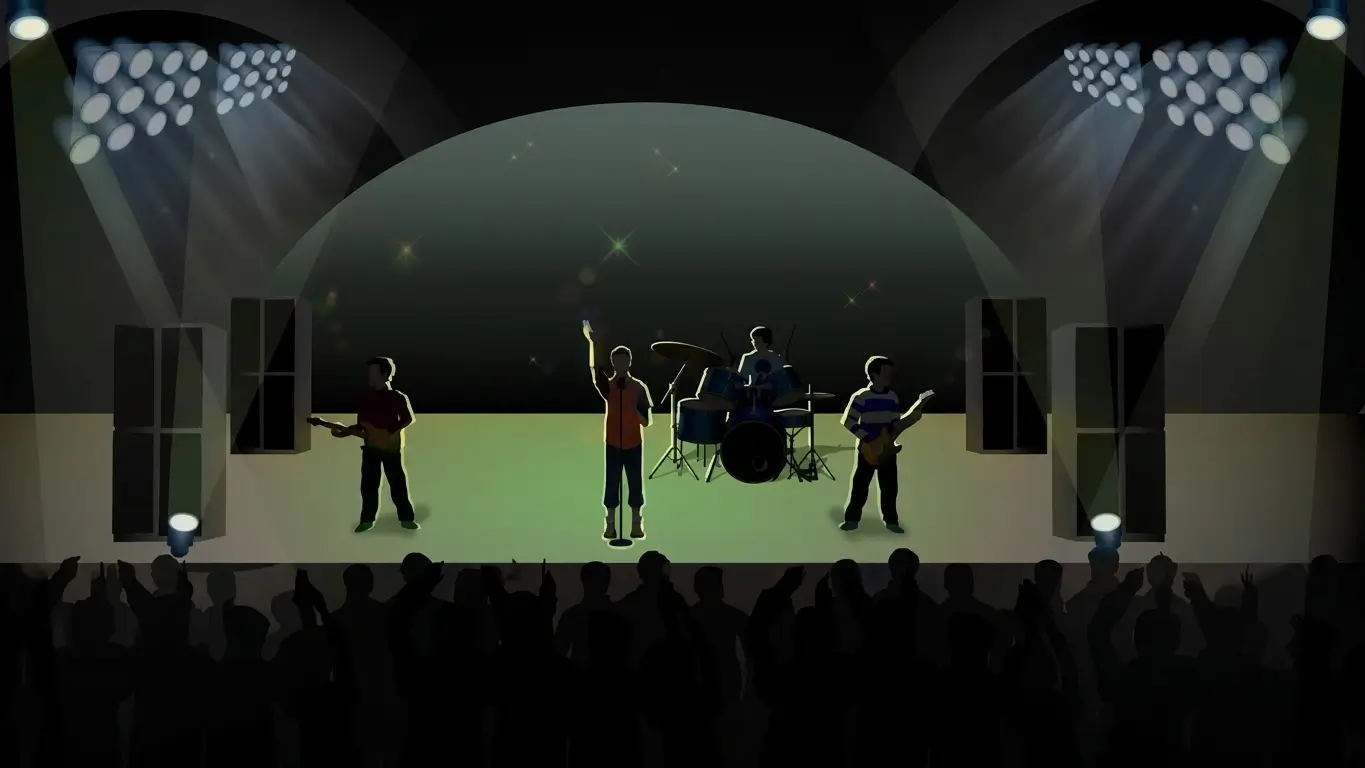
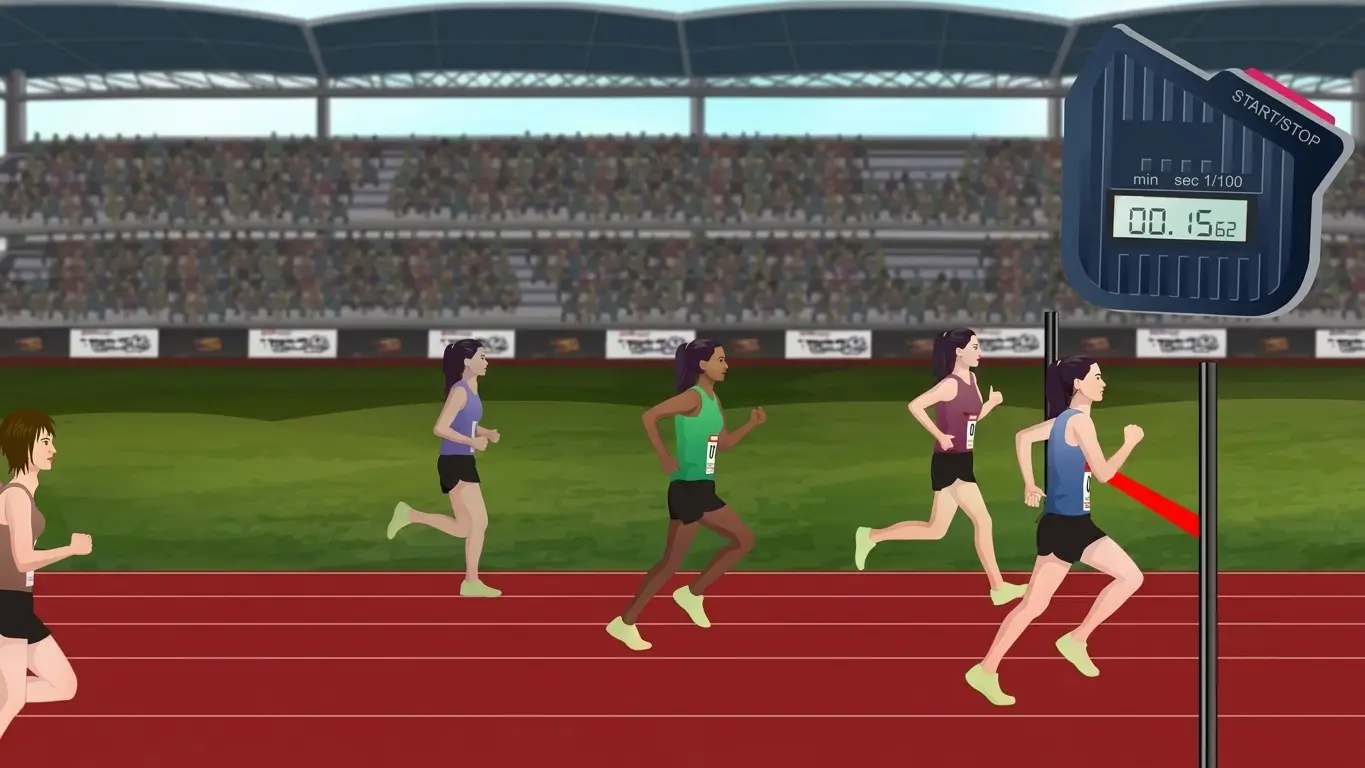
The production was organized into rapid, high-volume batches. Rather than relying on talking-head characters or dry text slides, the Subject Matter Experts (SMEs) on the content team designed scripts that explained formulas and scientific concepts using visual scenarios—such as using a rock concert stage to explain acoustics, or a track-and-field race to break down kinematics.

High-Velocity Production Pipeline
Because of the massive scale of the glossary library, efficiency was built directly into our day-to-day workflow. The production pipeline followed a highly disciplined structure to meet tight delivery windows:
The 12-Hour Sprint: For every single glossary term, the animator was given exactly 1.5 working days (12 production hours) to complete the entire asset pipeline. This included reviewing the descriptive script, layout design, character placement, full animation, and syncing the educational callout text layers.
SME Realignment: To eliminate communication gaps and avoid costly re-renders, the authoring SME would personally walk through the script with the animator before any keyframing began, ensuring both teams were aligned on the scientific logic behind the visuals.
Rigorous Multi-Tier Quality Control: Once completed, the animations went through strict internal feedback loops with the department head and content teams. Because of this rigorous internal quality control process, the final deliverables consistently maintained a near-perfect approval rate when submitted to Discovery Education.
Design Execution & Asset Kitbashing
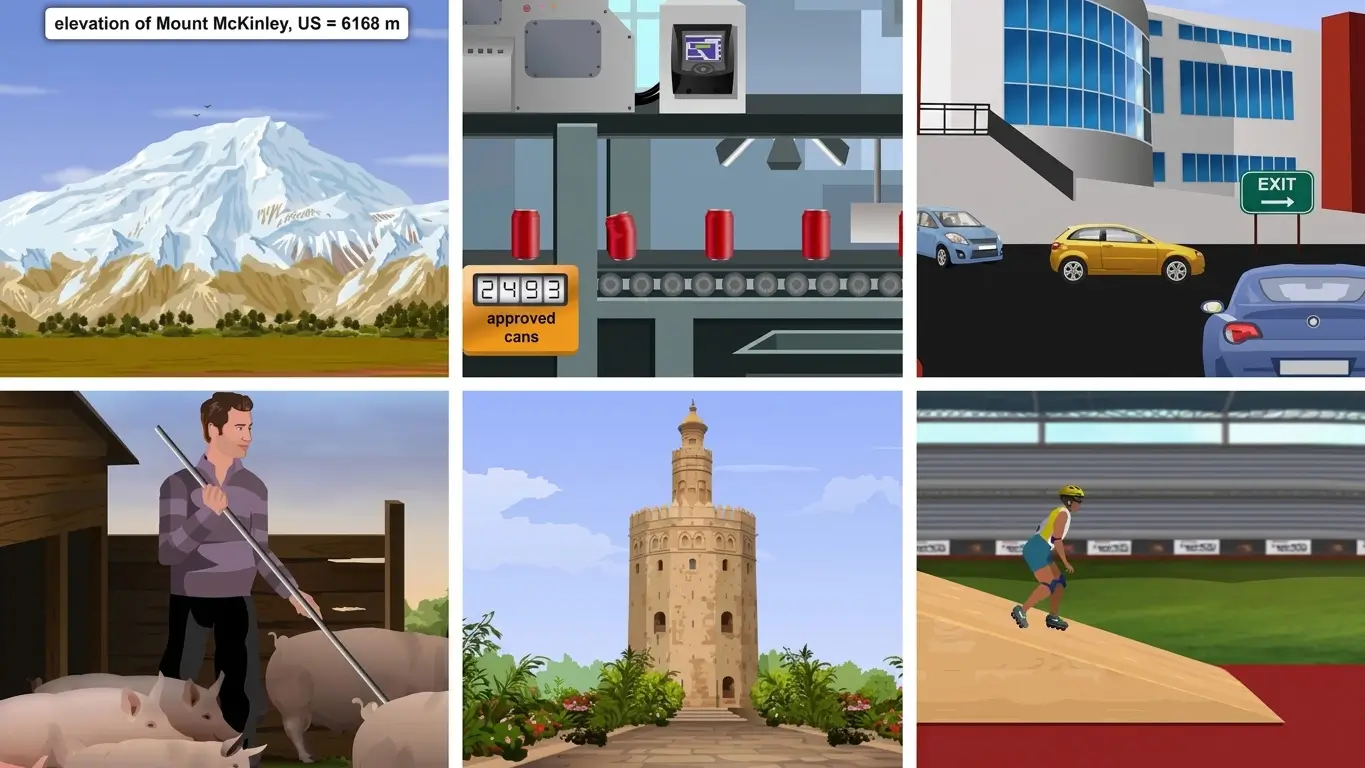
Operating under a strict 12-hour deadline per video meant we couldn't design environments or character models from scratch every time. Instead, we mastered an agile asset-reusing methodology inside Adobe Flash. We worked with an extensive, in-house vector library established during previous project cycles. When a new storyboard arrived, my first task was to audit the library to find compatible character shapes, background elements, and diagrams that could be adapted or modified. If the required asset didn't exist, I would illustrate the vector pieces myself, ensuring they fit seamlessly with the existing clean, non-cartoonish educational art style. A few standout sequences from this series became the foundation of my professional animation showreel:
Built to explain sound waves, frequency, and volume, I illustrated a highly detailed stage backdrop with custom lighting elements and animated a live concert environment that perfectly visualized acoustic principles.
Designed a fluidly animated running track sequence to break down variables like velocity, distance, and acceleration. The staging and clarity of this scene were so well-received by the content team that it was repurposed across multiple related physics terms.
Core Takeaways
Working on this series served as my introduction to the e-learning and ed-tech production space. Over the course of the campaign, I delivered hundreds of individual glossary animations. The project taught me how to interpret abstract educational concepts visually, manage tight turnaround times, and build sustainable asset management workflows within a fast-paced agency environment.